

10 Proven Ways to Save Money on Fuel for Delivery Drivers
Last updated June 27, 2024
Written by Alex Flores
As an independent delivery driver, fuel is your biggest expense, and finding ways to save on it can have a positive impact on your business.
Whether driving through the chaotic traffic in the city or doing deliveries in a small town, the fuel cost can quickly add up, affecting your overall earnings.
Fortunately, some strategies can help you cut down on fuel costs.
In this blog post, we’ll share proven ways to save money on fuel and enhance your vehicle’s performance.
These tips aren’t just theoretical; they’re practical and actionable.
By implementing these strategies, you can see real savings and get more mileage out of every gas tank.
From maintaining your vehicle to adopting smarter driving habits, each tip is designed to help you reduce expenses and optimize your earnings.
Let’s dive in and discover how you can start saving money on fuel today.
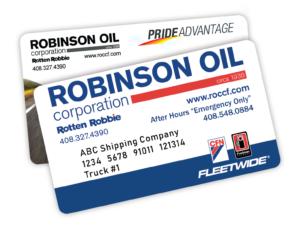
SAVE MONEY ON FUEL WITH A DISCOUNT CARD
Get your fuel discount card to start saving up to 80 cents per gallon.
- No fees because this is not a credit card
- Quick qualification
- Nearly 60,000 locations nationwide
- Manage your fuel usage from the app
What is a fuel card?
A fuel card or fleet card is used as a payment card most commonly for gasoline, diesel, and other fuels at gas stations. Big fleets use it to file employee expenses and get group discounts.
Table Of Contents
- Fill Up When Your Tank is Half Full
- Don’t drive like a maniac
- Fill Up Your Tank at the Right Time
- Maintain Proper Tire Pressure
- Use the Air Conditioner Wisely
- Make regular maintenance a priority
- If your vehicle has Eco Mode, use it
- Use regular gasoline
- Don’t Warm Up Your Delivery Vehicle
- Use a fuel discount card
1. Fill Up When Your Tank is Half Full
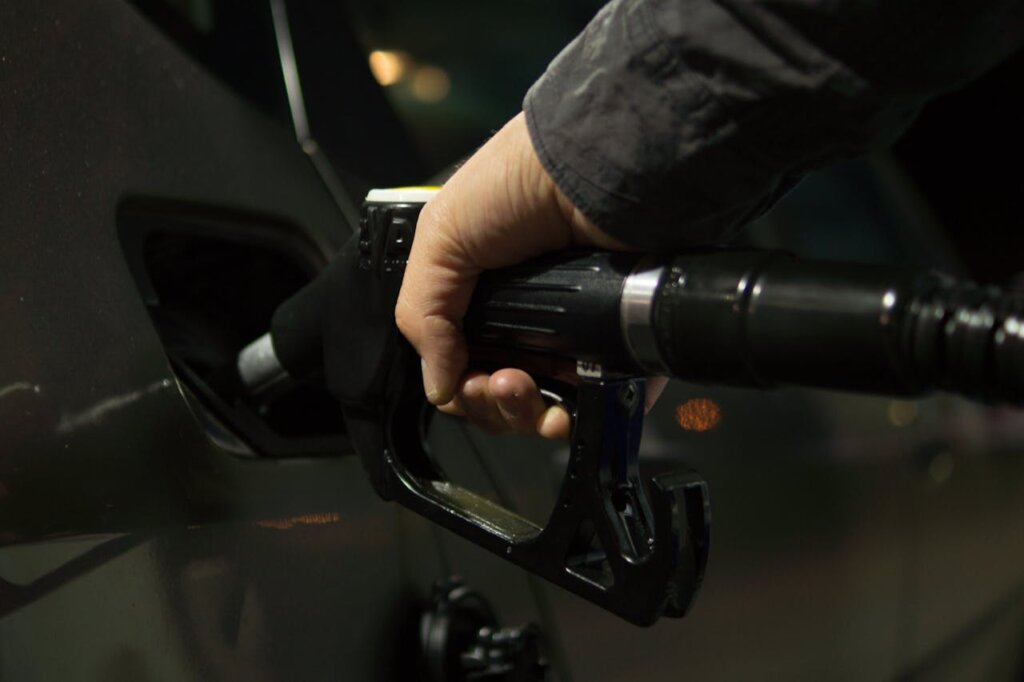
Keeping your fuel tank at least half full can help you save fuel and improve your vehicle’s efficiency. Here’s why:
Reduced Evaporation
When your tank is less than half full, there’s more air space where fuel can evaporate.
By filling up once you reach the halfway mark, you reduce the amount of air in the tank, minimizing evaporation and saving fuel.
Extends the life of the fuel pump
Your fuel pump relies on gasoline to stay cool and lubricated.
Running on a near-empty tank can cause the pump to overheat and wear out faster.
By filling up when your tank is half full, you help extend the life of your fuel pump.
Fuel Quality
Driving with a low tank can cause sediment from the bottom of the tank to get sucked into the fuel pump, potentially clogging it.
Keeping your tank half full ensures cleaner fuel and a smoother ride.
Simple habits, big savings in the long term
Make it a habit to refill your tank when it reaches the halfway mark. This small change can lead to better fuel efficiency, longer-lasting vehicle components, and overall cost savings.
Plus, you’ll never have to worry about running out of gas unexpectedly!
2. Don’t Drive Like a Maniac
I get it; driving fast and furious can be exciting, but that burns too much fuel.
Here’s why you should keep things smooth and steady:
When you hit the gas pedal like you’re in a race, your engine has to work much harder, which means it uses more fuel.
Instead, try to accelerate gradually. Your fuel tank (and wallet) will thank you.
Also, every time you are speeding, there is a moment when you have to slam on the brakes, and this wastes the energy your vehicle used to get up to speed.
By anticipating traffic and coasting to a stop when possible, you keep more of that energy—and fuel—in your tank.
According to the U.S. Department of Energy, aggressive driving (speeding, rapid acceleration, and braking) can lower your mileage by roughly 15% to 30% at highway speeds and 10% to 40% in stop-and-go traffic.
When you drive aggressively, fuel is not the only resource you are wasting.
Speeding and hard braking put extra effort on your engine, brakes, and tires, leading to more frequent maintenance and higher costs.
This aggressive driving style not only reduces fuel efficiency but also wears out your vehicle faster.
So, it’s better to adopt a more relaxed driving style.
3. Fill Up Your Tank at the Right Time
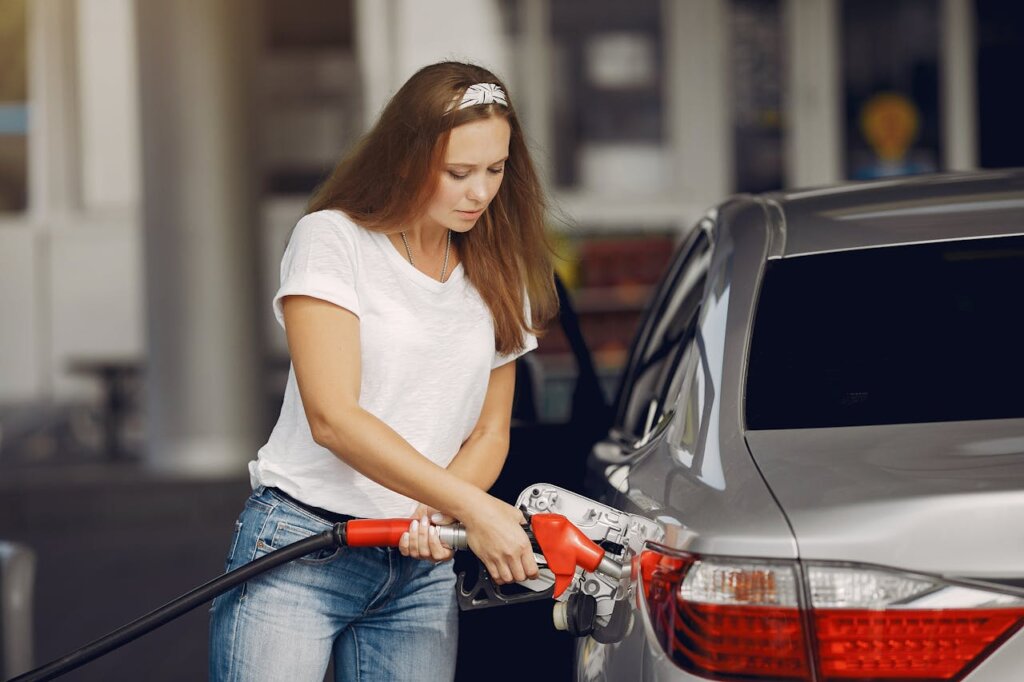
When it comes to fueling up, timing can make a difference in how much fuel you get for your money.
That’s because gasoline is denser when it’s cooler. During the heat of the day, fuel particles expand, and you end up getting less actual fuel for the same volume.
So, filling up when temperatures are lower, such as in the early morning or late evening, can help you get more.
Of course, this is a habit that you can combine with others to represent real savings for your business.
SAVE MONEY ON FUEL WITH A DISCOUNT CARD
Get your fuel discount card to start saving up to 80 cents per gallon.
- No fees because this is not a credit card
- Quick qualification
- Nearly 60,000 locations nationwide
- Manage your fuel usage from the app
4. Maintain Proper Tire Pressure
Underinflated tires create more rolling resistance, which means your engine has to work harder and use more fuel to keep your vehicle moving.
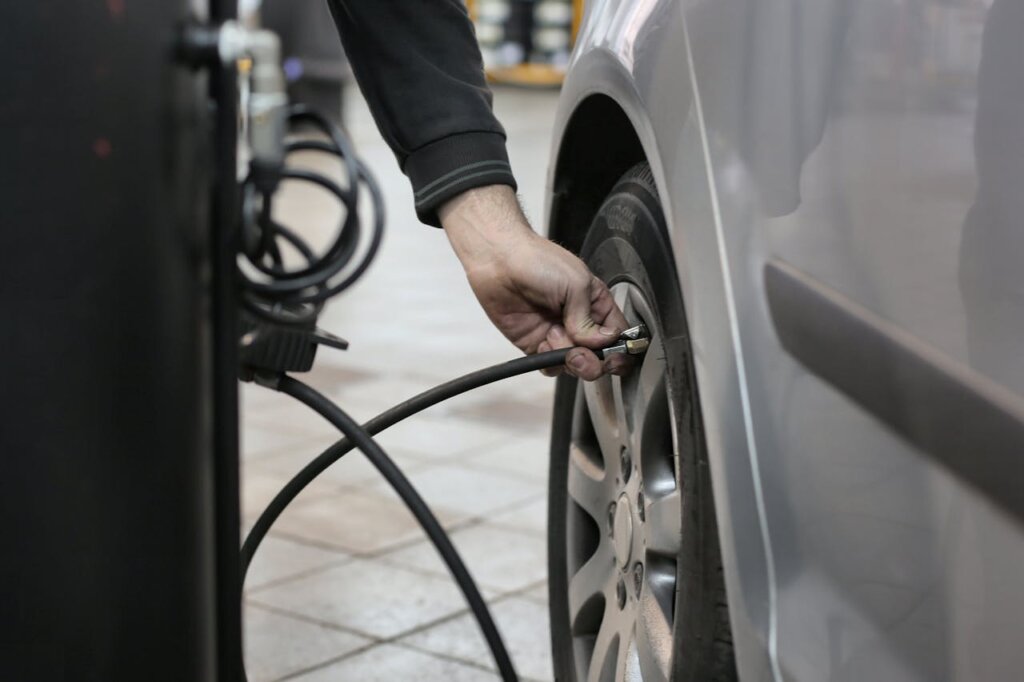
If you maintain the correct tire pressure, you reduce this resistance and improve your fuel efficiency.
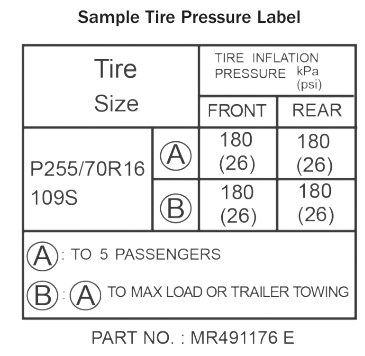
To find the tire pressure recommended by the manufacturer, open the driver’s side door and look at the door frame.
Most vehicles have a sticker or placard here that lists the recommended tire pressure for both the front and rear tires.
It’s usually located on the door itself or the pillar.
Keeping your tires at the correct pressure helps with more than just fuel consumption.
It also plays a critical role in safety and tire longevity.
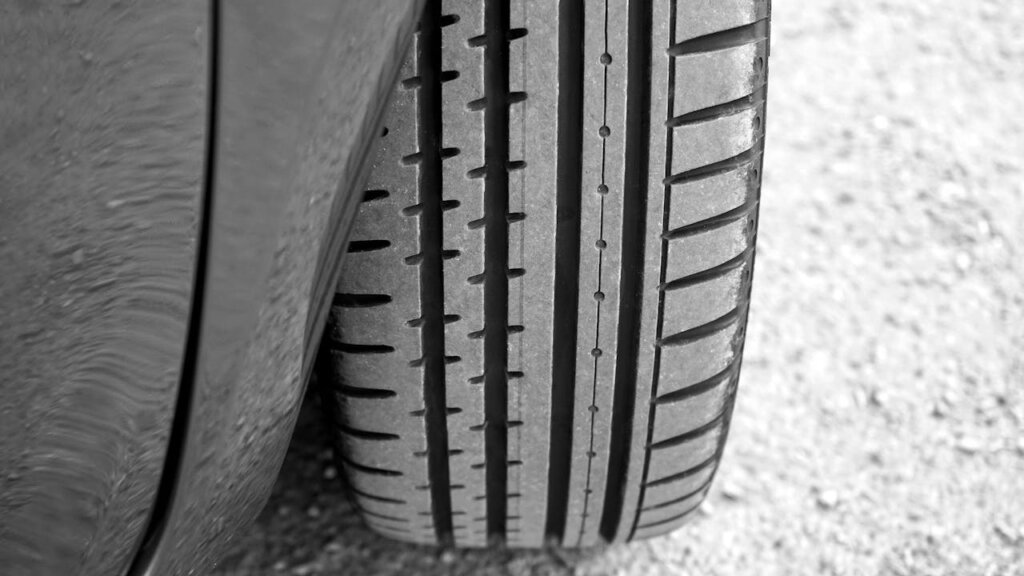
For Safety
Correct tire pressure ensures better handling and braking performance, reducing the risk of accidents.
Properly inflated tires provide better traction and stability, which is especially important because you’re on the road all day.
For Tire Longevity
This habit also helps your tires wear evenly, extending their lifespan and saving you money on replacements.
This means you won’t have to replace your tires as frequently, reducing your overall maintenance costs.
Make it a habit to check your tire pressure at least once a week and before long trips.
Use a reliable gauge and compare the readings to the recommended levels found in one of the locations mentioned above.
This small step can lead to significant savings on fuel, improved safety, and longer-lasting tires.
Source: U.S. DEPARTMENT OF ENERGY
5. Use the Air Conditioner Wisely
Balancing air conditioner use with open windows can make a big difference in your fuel consumption. Here’s how to get it right:
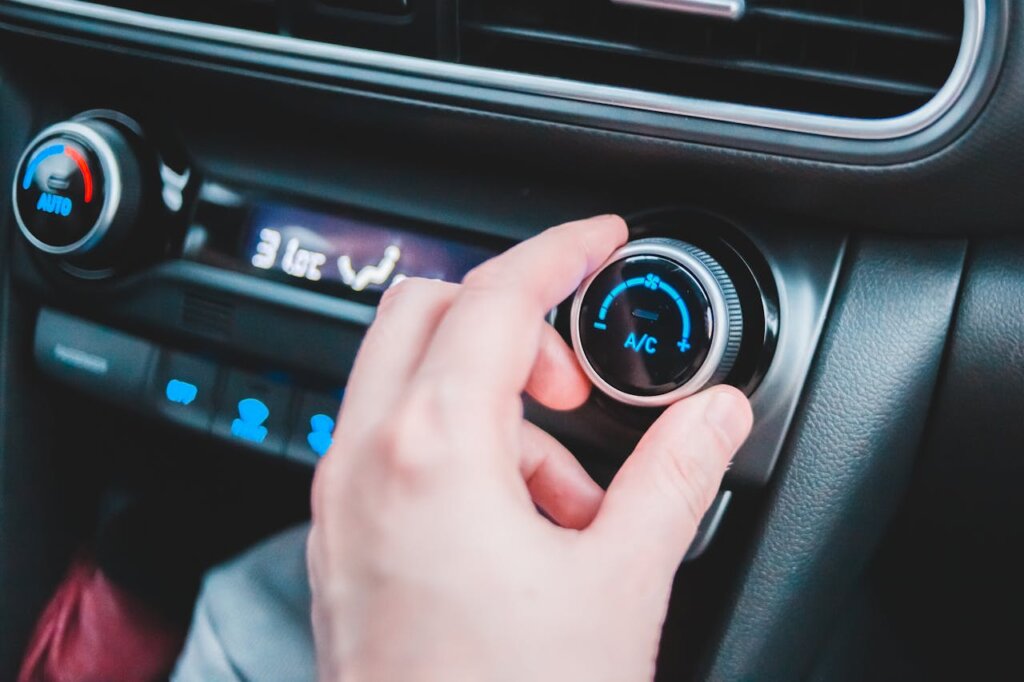
Keep your Windows Down When Driving in The City
When you’re driving around town at lower speeds, it’s more fuel-efficient to roll down your windows instead of using the air conditioner.
Using the A/C in the city can increase fuel consumption by up to 20%.
At slower speeds, the drag caused by open windows is minimal, so it won’t significantly impact your fuel efficiency.
Turn the A/C On When Driving On The Highway
On the highway, it’s a different story.
Driving with your windows down at high speeds creates aerodynamic drag, which makes your engine work harder and burn more fuel.
In this case, it’s more efficient to use the air conditioner.
The extra load on the engine from the A/C is less than the fuel you’d waste from increased drag with open windows.
In addition to knowing when to use your A/C and when to open the windows, there are a few more tricks.
Pre-Cool Your Car

Before you start driving, open your doors and windows to let the hot air escape.
This way, your A/C doesn’t have to work as hard to cool down the interior.
Once you start driving, keep the windows open for a few minutes to ventilate the hot air before turning on the A/C.
Use the Recirculation Mode
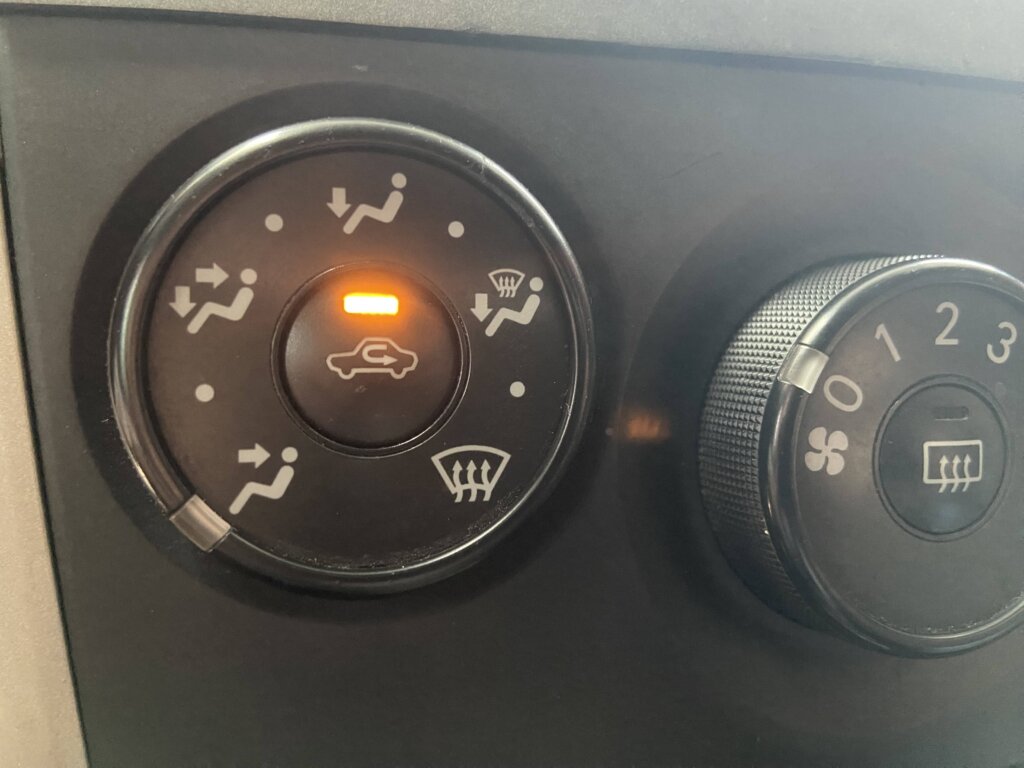
Once you turn on the A/C, use the recirculation mode.
This cools down the air inside the car faster because it’s reusing the already cooled air, rather than bringing in hot air from outside.
Once the car is cool, you can switch back to fresh air mode after 15 or 20 minutes.
I switch between recirculation and fresh air mode every 20 minutes or so because I like to bring in fresh air periodically while keeping the cool air inside.
Just keep in mind that if you use fresh air mode all the time, your A/C system will have to work harder to cool down the incoming hot air.
This can lead to increased fuel consumption.
To optimize efficiency, try to find a balance between these two modes.
Fan Speed
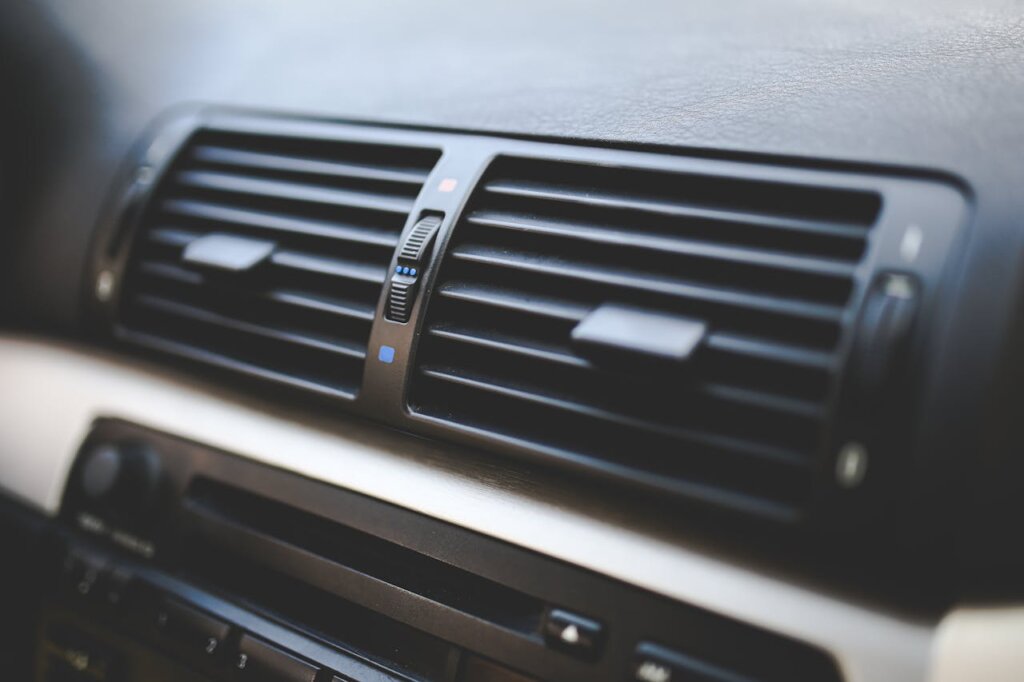
Contrary to what you might think, cranking the fan to maximum doesn’t necessarily cool the car faster.
The A/C system is most efficient at moderate fan speeds.
Start with a higher setting to get the air circulating, then drop it down to a moderate level to maintain a comfortable temperature without overworking the system.
Regular Maintenance for A/C
Regularly check and replace the cabin air filter to ensure efficient airflow.
A clean filter helps the A/C work smoother, reducing the load on your engine.
6. Make regular maintenance a priority

A4DD Members have access to fleet discounts at Pep Boys
This includes savings on preventative maintenance, repairs, tire services, batteries, and towing services.
Taking advantage of these discounts can help you save money on essential maintenance and keep your vehicle running.
Regular maintenance is important because it helps to detect potential issues early on and prevent costly breakdowns.
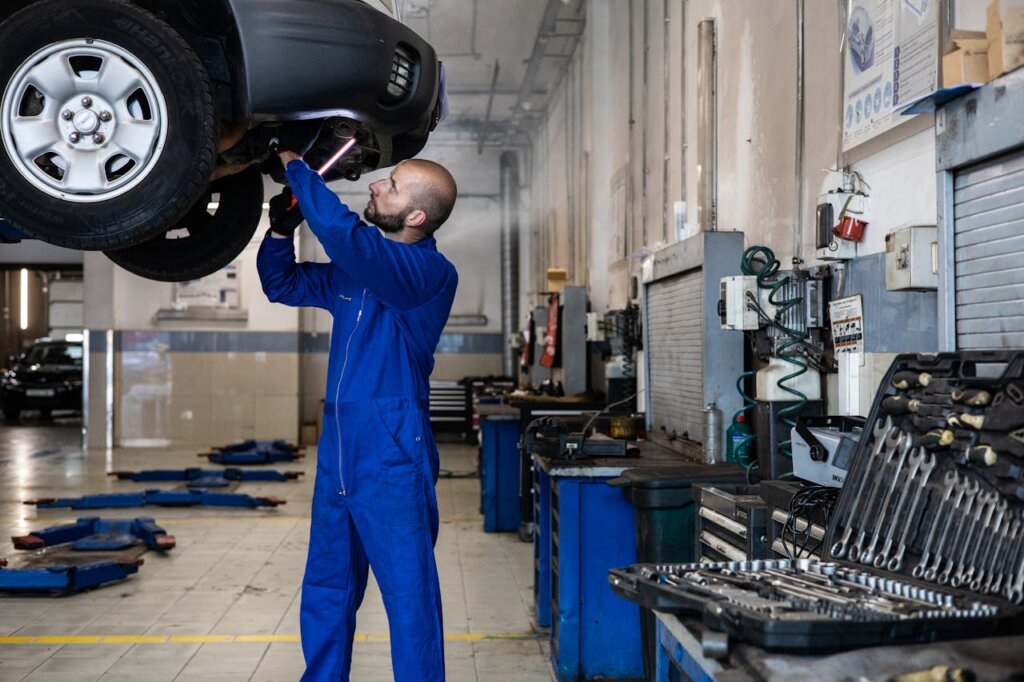
Wondering how regular car service can positively affect your vehicle’s fuel efficiency?
Engine Efficiency
Components like fuel injectors, air filters, and spark plugs need to be properly maintained to ensure optimal fuel combustion and smooth engine performance.
Fuel System Maintenance
The fuel system plays a crucial role in delivering fuel to the engine.
Over time, fuel injectors can become clogged with deposits, affecting their spray pattern and hindering fuel atomization.
During a service, the fuel system is thoroughly inspected, and if necessary, the injectors are cleaned or replaced.
Additionally, the fuel filter is often replaced to ensure proper fuel flow.
These measures help to ensure the right amount of fuel is delivered to the engine, reducing fuel waste.
Air Filter Replacement
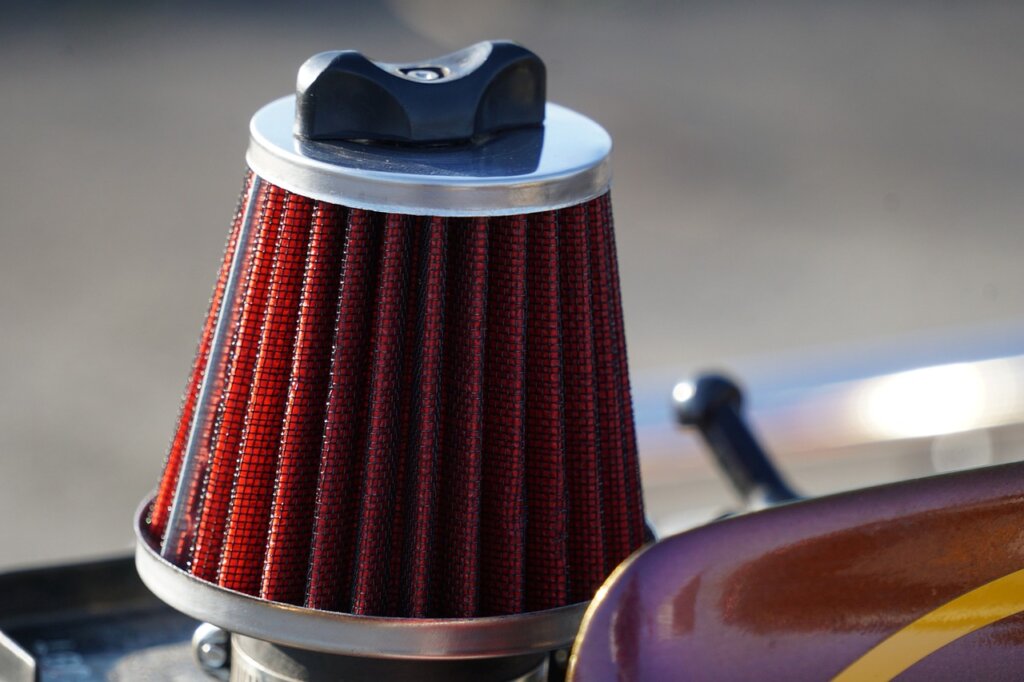
The air filter prevents dust, dirt, and debris from entering the engine’s combustion chambers.
A clogged air filter restricts airflow, causing the engine to work harder and consume more gas.
So it’s better to keep a clean air filter that allows unrestricted airflow.
Which will help optimize fuel combustion and improve fuel efficiency.
Wheel Alignment and Tire Balancing
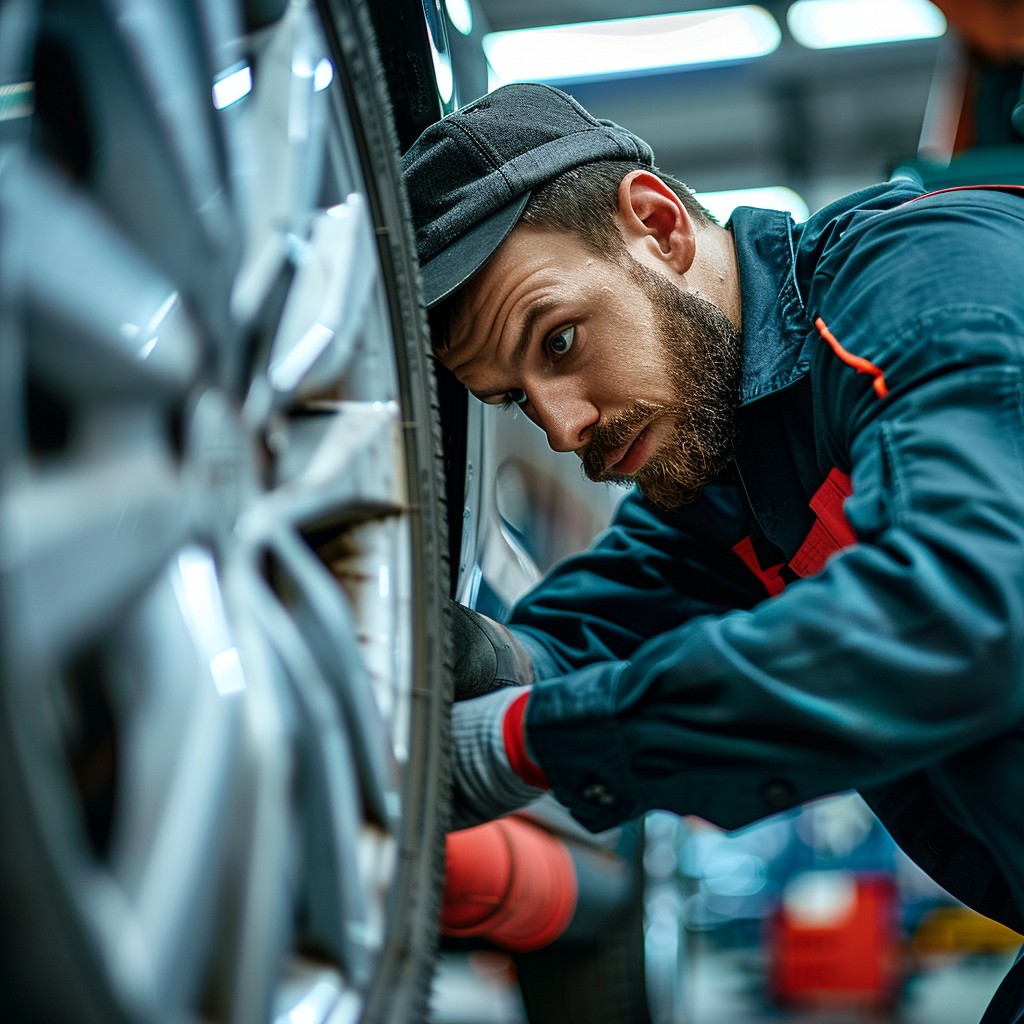
Aligned and balanced wheels reduce the resistance between the tires and the road.
If your wheels are misaligned or unbalanced, additional friction will be created, causing the engine to use more energy to move the vehicle forward, which increases fuel consumption.
Plus, this will cause your car to pull to one side or vibrate, requiring constant adjustments while driving.
This leads to inefficient driving patterns that consume more fuel.
The best is to do regular maintenance and avoid headaches.
Oil Change
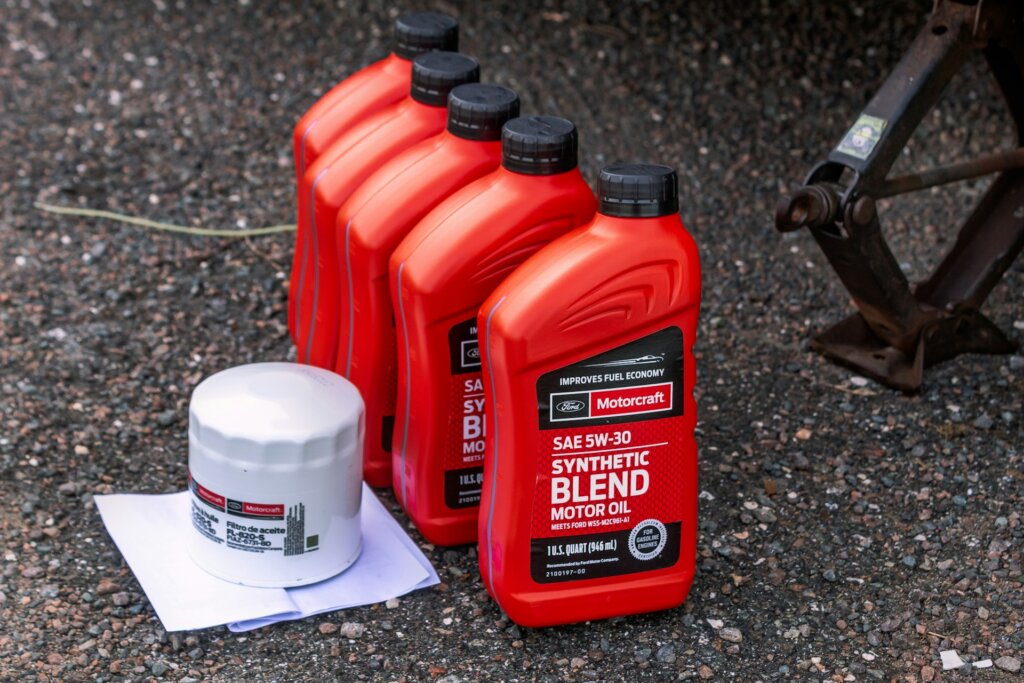
Photo by Rinald Rolle on Unsplash
Regular oil changes are essential for maintaining your vehicle’s efficiency.
Here’s how it helps:
Fresh oil reduces friction in the engine, allowing it to run smoothly.
Old and dirty oil can cause increased friction and wear, making the engine work harder and consume more fuel.
Proper lubrication ensures that the engine runs at its best, reducing the amount of fuel needed for optimal performance.
Efficient Combustion
Clean oil helps the engine maintain the correct temperature, ensuring efficient combustion.
Dirty oil can lead to sludge buildup, which can cause inefficient fuel burning and higher fuel consumption.
Best Tips and Recommendations for Oil Changes

- Check your vehicle’s owner’s manual for the recommended oil change intervals. These guidelines are tailored to your specific engine and driving conditions.
- Always use the type of oil recommended by the manufacturer.
- Regularly check your oil level and top it up if necessary. Keeping your oil at the right level ensures proper lubrication.
- Consider synthetic oil; it can offer better performance and longer-lasting protection than conventional oils, and it is often recommended for high-performance or newer vehicles.
- Don’t forget to change the oil filter whenever you’re changing the oil. This way, you can make sure your engine keeps running like a charm.
- Invest in high-quality oil that meets or exceeds the standards set by your vehicle’s manufacturer.
- Maintain a log of your oil changes, including the date and mileage.
This helps you stay on top of your maintenance schedule and ensures your engine is always running on fresh oil.
By following these tips and maintaining a regular oil change schedule, you can reduce wear and tear on the engine, and save money on fuel in the long run.
7. If your vehicle has Eco Mode, use it.
What is the eco mode?
This is a feature available in many modern vehicles that adjusts the engine and transmission settings to reduce fuel consumption.
How it works:
Eco mode reduces the sensitivity of the throttle, ensuring that the engine doesn’t respond too aggressively to acceleration inputs.
It adjusts the transmission shift points to lower RPMs, keeping the engine running in a more fuel-efficient range.
In some vehicles, eco mode can deactivate some of the engine’s cylinders under light load conditions.
Eco mode generally promotes less aggressive driving, which can reduce overall wear and tear on the engine and transmission. By operating at lower RPMs and with smoother acceleration, the engine experiences less stress.
While cylinder deactivation can significantly improve fuel economy, some drivers worry about the long-term effects on the engine.
Modern engines with this feature are designed to handle the switch between active and inactive cylinders without causing harm.
However, it’s crucial to do regular engine maintenance to ensure this system operates correctly.
Is the Eco Mode Recommended for a Cargo Van?

When carrying heavy packages, you might need more power for acceleration, especially when merging onto highways.
Transporting heavy loads requires more engine power.
Eco mode’s limitations on power and throttle response could hinder performance, making it challenging to maintain speed and efficiency under load.
This might not be worth the trade-off in reduced performance because your engine will need to work harder to maintain the speed and power, and this could lead to wear and tear over time.
In this case, I would recommend avoiding eco mode when transporting heavy packages in a cargo van.
8. Use regular gasoline
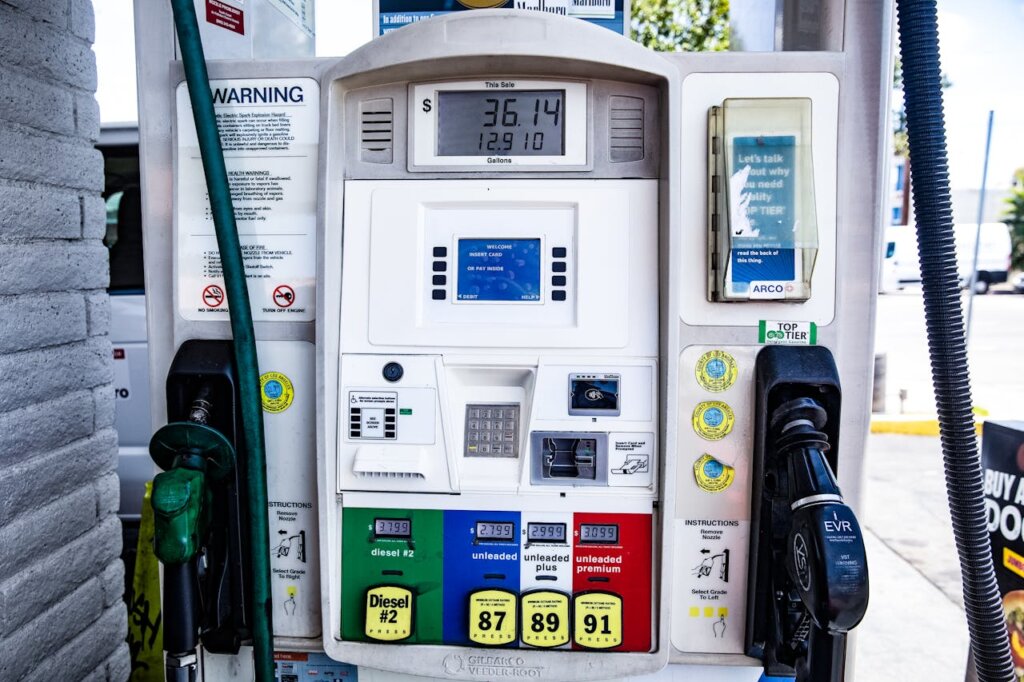
Unleaded gasoline is suitable for most standard vehicles.
It’s the most widely used fuel type due to its affordability and compatibility with a wide range of engines.
Many modern vehicles are designed to run efficiently on regular fuel.
These engines are tuned to handle lower octane levels without knocking or pre-ignition issues.
But don’t listen to me yet, the best way to determine the appropriate fuel for your vehicle is by consulting the owner’s manual.
Manufacturers specify the recommended fuel type based on the engine’s design and tuning.
If you don’t have the manual, no problem.
Many vehicles also have a label on the fuel door indicating the recommended fuel type.
If you don’t find the label, you can check out the manual online to confirm if regular fuel can be considered an option for you.
9. Don’t Warm Up Your Delivery Vehicle

Contrary to popular belief, idling your car to warm it up before driving it doesn’t do any good.
In fact, it wastes fuel and can be detrimental to your engine over time.
Here’s why it’s better to get moving right away:
When you start your car, the engine does need a brief period to circulate oil and reach an optimal operating temperature.
However, this warm-up period is very short—just like 30 seconds.
Beyond that, idling is simply burning fuel without much benefit.
The best way to warm up your engine is to start driving gently.
By getting the vehicle moving, you allow the engine to reach its ideal temperature more quickly.
During the first few minutes of driving, keep your RPMs below 2,000. This means accelerating gradually and avoiding high-speed driving or aggressive maneuvers until the temperature gauge reaches the middle.
Driving at a moderate pace helps the engine warm up faster and more evenly compared to idling.
So, instead of idling to warm up your car, start driving gently and keep the RPMs low until the engine reaches its optimal temperature.
This practice will save fuel and get you on the road quicker.
10. Use a fuel discount card
Out of all the tips provided in this blog post, getting a fuel discount card will make a significant difference for your business.
As an A4DD member, you can save up to 80 cents per gallon with your own fuel discount card, accepted at nearly 60,000 locations nationwide.
Additionally, you can save another 2–6 cents per gallon, depending on your fuel volume – gas or diesel.
These savings can add up quickly, putting more money back in your pocket.
The best part is that you can apply for free.
Once you get the card, just make sure to pay your bill on time, and you won’t incur any additional costs.
The process to get the fuel discount card is simple and quick.
After applying, Robinson Oil Corporation (ROC) will contact you to go over your application and the program.
Once approved, you can start saving immediately.
Now let’s say you are spending an average of $30 per day on fuel.
As of today, 06/27/2024 the cost per gallon is $3.75.
Let’s assume you drive 350 miles per week and that you will be saving 30 cents per gallon using the fuel discount card.
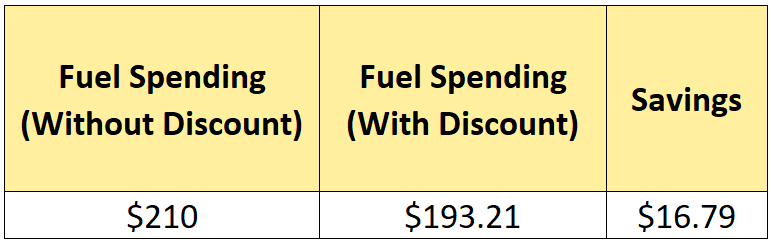
That’s just one week; now let’s see what you can keep for yourself in a month.
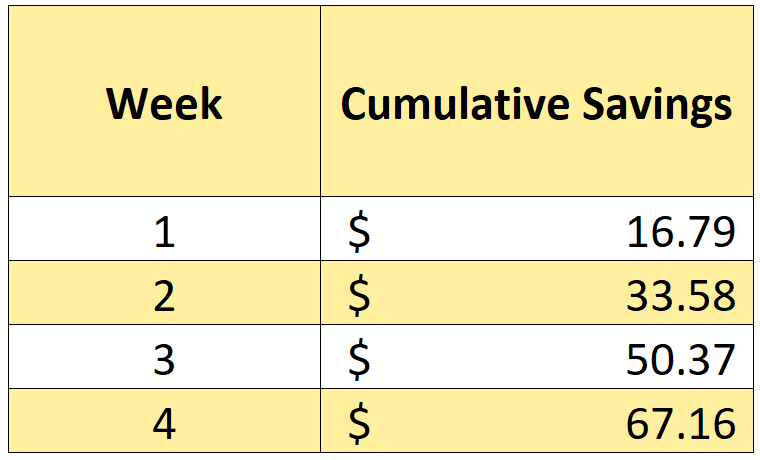
This means that by using the fuel discount card, you can save around 8% on your weekly fuel expenses, which translates to a total savings of $67.16 over the course of a month.
Of course, the savings will vary, sometimes you might save 50 cents per gallon, other times only 10 cents.
Today I calculated it for a week when you are saving 30 cents.
However, the key is to maintain this discount over the long term.
That’s when you’ll see significant savings.
Keep your expenses as low as you can
I admit it, building these habits might take some work, but it will be worth it at the end of the day because you get to keep more for yourself.
By integrating these 10 fuel-saving strategies into your daily routine, you’ll see a noticeable difference in your fuel expenses and overall vehicle efficiency.
Remember, every small change adds up over time.
From filling up at the right time and maintaining proper tire pressure to using the A/C wisely and taking advantage of fuel discount cards, each tip plays a crucial role in reducing your fuel costs.
As an A4DD member, you have access to valuable resources like the Pep Boys fleet discounts and the ROC fuel discount card.
So, start implementing these tips today and see the savings grow.
It’s not just about cutting costs; it’s about making your delivery business more profitable and sustainable in the long run.